Silence Consent Embroidery Design Review: A Bold Statement for Real Projects
When I first opened the Silence Consent embroidery design, I knew it was going to make an impression. As a designer who regularly evaluates machine embroidery files for real-world use, from custom apparel to boutique branding, I look for more than just aesthetics—I want clarity, adaptability, and impact. This design immediately struck me as something with a strong visual personality and a clear message.
First Impressions: Mood and Message
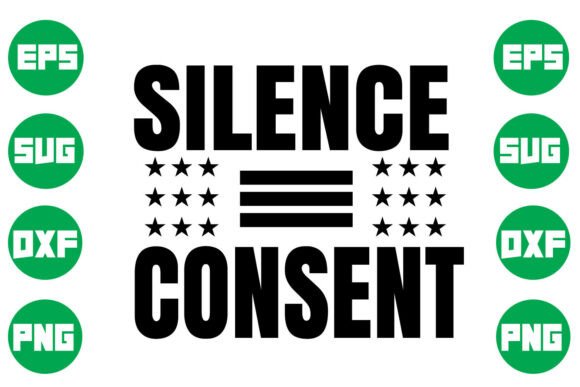
The Silence Consent design is rooted in the Black Lives Matter movement, which makes its purpose clear and powerful. The sassy western SVG style adds a unique twist—think of bold typography paired with ornate, fancy flourish elements that echo vintage Americana but carry a modern political edge. It’s not subtle; it’s meant to be seen and understood. The layout is well-balanced, with a central focal point that anchors the text and decorative flourishes that add interest without overwhelming the overall composition.
As someone who creates embroidered products for both personal and commercial use, I appreciate how this design feels intentional. It doesn’t try to be everything at once. Instead, it channels a specific mood: confident, defiant, and artistic. That kind of visual energy can elevate a handmade product into something truly memorable.
Visual Personality and Layout
What caught my eye was the interplay between the main text and the supporting graphics. The forest-like background gives a sense of depth and natural flow, while the contrasting thread colors (assuming they are provided) help highlight the message. The detail level is high enough to feel premium, but not so intricate that it becomes problematic on most fabrics.
I could see this design working especially well on tote bags or sweatshirts where you want a statement piece. It also has potential for baby items if used in a softer color palette, though I’d approach that carefully given the subject matter. For now, I’m thinking about how it would translate onto a custom t-shirt or an embroidered patch for a small shop product.
Real-Life Embroidery Applications
Let’s say you’re preparing a batch of custom t-shirts for a local event or protest. You need something that speaks clearly, stands up to handling, and looks good stitched. Silence Consent ticks all those boxes. Its structure is suited for larger hoop sizes, making it ideal for front-and-center placement on garments like hoodies or oversized shirts.
- Tote Bag Design: The design’s width and height work well on cotton canvas totes. The contrast of black thread against white fabric makes it pop, and the stitch density ensures durability through frequent use.
- Custom Apparel: On sweatshirts or long-sleeve tees, the design reads clearly from a distance and holds its shape even after multiple washes. It's perfect for creating a cohesive line of activist-themed clothing.
- Embroidered Patch: With some adjustments in stitch type—like using satin stitch instead of fill stitch for outlines—it could easily become a patch design for denim jackets or backpacks.
- Boutique Branding: If your brand focuses on social consciousness or street-style fashion, this design could serve as a signature element in your collection.
For Etsy sellers, the Silence Consent design offers a compelling option for digital embroidery file listings. It fits neatly into categories like T-Shirt Designs and Graphics, especially when bundled with printable mockups or garment templates. Buyers will appreciate the instant download format and the ready-to-stitch nature of the zip file contents.
Where to Use It Carefully
While the design is strong, there are certain applications where caution is needed. Here’s what I’ve observed in practice:
- Small Hoop Sizes: The design includes detailed corners and decorative accents that may get lost or distorted in smaller hoops. Always confirm recommended hoop size before starting your project.
- Textured or Stretchy Fabrics: The dense areas and fine lines might not render as cleanly on materials like fleece, knit, or linen. Test stitching on scrap fabric to avoid issues with distortion or skipped stitches.
- Dark Fabric Backgrounds: Thread color visibility is key here. While the design likely comes with thread color suggestions, always review them against dark backgrounds like navy blue or black to ensure legibility.
- Products with Frequent Washing: Because of the detailed elements, some sections may fray or lose definition over time. Consider reinforcing these areas or adjusting stitch types for longevity.
- Curved Surfaces Like Caps: The layout isn’t optimized for curved surfaces out of the box. You’ll probably need to reshape or simplify the design before applying it to hats or caps.
Impact on Visual Appeal and Customer Perception
In today’s craft market, a design needs to do more than look good—it needs to resonate. Silence Consent does both. Its blend of activism and aesthetic flair can turn a basic t-shirt into a conversation starter. For handmade product creators, this is gold. Customers don’t just buy what you make—they buy the story behind it.
From a professional standpoint, the design enhances the perceived value of any finished product. It signals thoughtfulness and alignment with important cultural conversations. As an embroidery project, it’s versatile enough to suit both personal gifts and commercial merchandise. When paired with the right fabric and stabilizer, it can look sharp on anything from a kitchen towel to a holiday gift bag.
But let’s not forget practicality. Even with its bold message, the design must hold up under scrutiny. Will the tiny lettering remain readable? Can the stitch density be adjusted without losing the intended effect? These are the kinds of questions every serious embroiderer asks before committing to a design.
Designer Notes for Best Results
Before using Silence Consent in production or on customer orders, take these steps to ensure success:
- Test on Scrap Fabric: Especially if you're planning to use it on stretchy or delicate material. This helps you catch any potential issues with stitch tension or fabric deformation.
- Review Stitch Density: Dense areas may require additional stabilizer. Lighten up the stitch count slightly if you notice puckering during testing.
- Check Thread Color Contrast: Make sure the design remains visible on your chosen fabric. If necessary, swap out thread colors for better readability.
- Inspect Small Details: Look closely at the fancy flourishes and lettering. Some machines or needles may struggle with very fine elements, especially on thin or textured fabrics.
- Use Proper Stabilizer: Whether you're doing a tote bag or a pillow cover, stabilizing the area beneath the design will keep it looking crisp and clean.
- Confirm Licensing Before Selling: Since this is a digital embroidery file, double-check the licensing terms. You don't want to run into legal issues later when selling finished products or digital assets online.
Final Thoughts for Crafters and Entrepreneurs
Silence Consent is a design that demands attention. It’s not for the faint of heart, but that’s exactly why it works so well in the world of custom embroidery. Whether you're a hobbyist making personalized gifts or a craft business owner building your next line of small shop products, this design brings a level of sophistication and relevance that’s hard to ignore.
Its ability to stand out on light-colored garments and textiles is a major plus. But remember, the devil is in the details. Adjustments may be necessary depending on your materials and machine. And for Etsy sellers, including a few variations of the design in different sizes or orientations can increase its appeal and utility across a range of customer projects.
Overall, Silence Consent is a strong contender for real-life embroidery work. Just treat it with the care it deserves—and it will reward you with a finished product that feels professional, meaningful, and visually striking.